
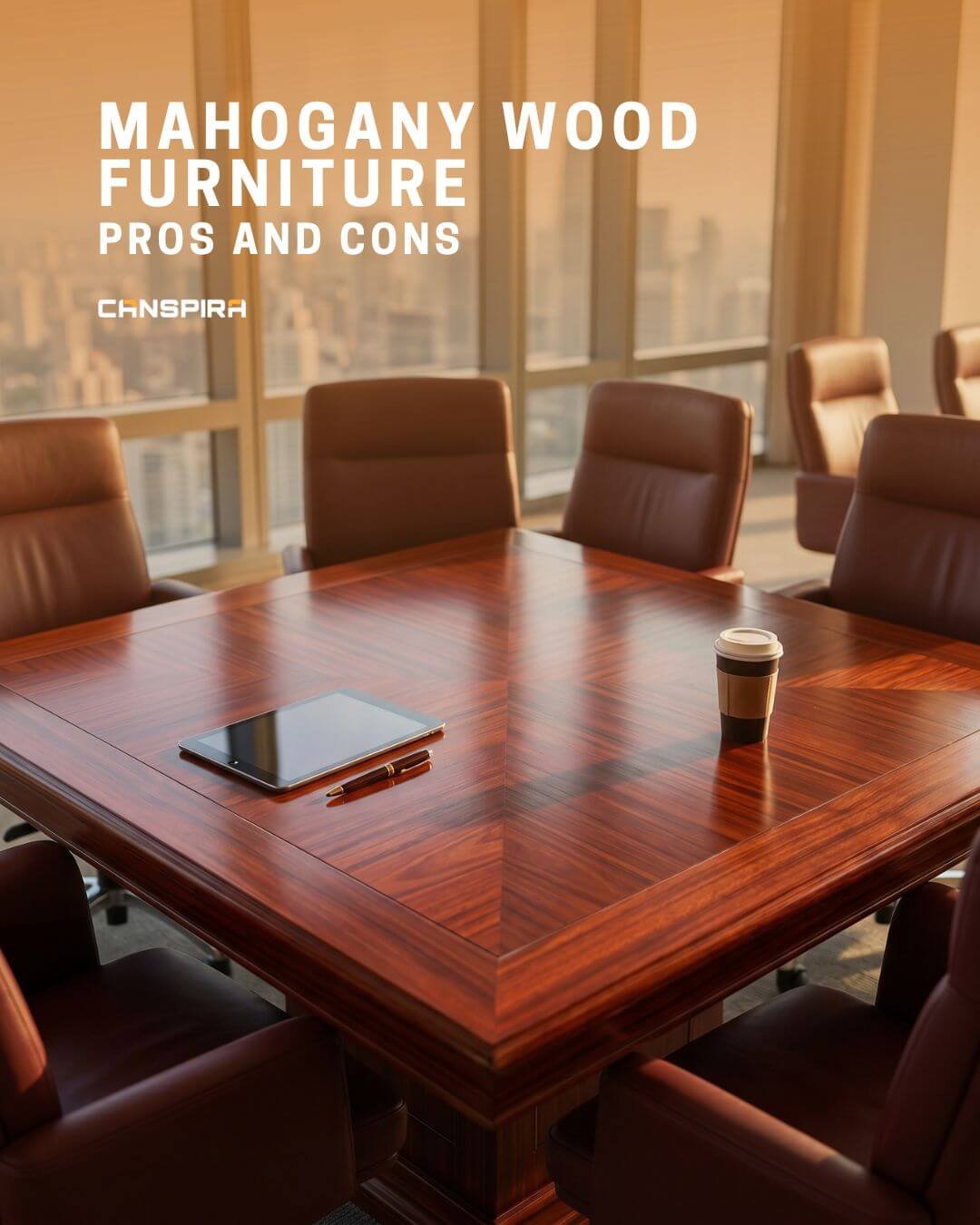
Sourcing corporate inventory requires a deep understanding of mahogany wood furniture’s pros and cons to protect profit margins. International wholesale buyers, luxury resort procurement managers, and boutique retailers look at timbers through a strict business lens.
Mahogany has been highly valued for centuries in high-end cabinetry and executive interior applications.
However, entering a major export container contract requires a realistic evaluation of how this classic tropical hardwood performs under global supply chain pressures, moisture fluctuations, and strict Western environmental compliance.
Advantages of Sourcing Mahogany Wood Furniture
Selecting the right timber for your import catalog involves balancing beauty with long-term structural durability. Mahogany delivers unique physical and mechanical performance metrics that solve many common quality risks faced by global furniture importers.
1. Exceptional Durability for Commercial Spaces
Mahogany is structurally celebrated for its density and high fiber cohesion. This physical makeup allows furniture crafted from mahogany to endure severe high-traffic wear in commercial hotels, corporate lounges, and high-end residential spaces for decades.
The robust mechanical strength ensures that the joints, legs, and load-bearing components resist structural fatigue over time.
2. Attractive Natural Appearance and Patina
The visual marketability of this timber centers on its dense, interlocking grain patterns and deep reddish-brown color tones. Unlike lighter woods that require heavy staining to look expensive, mahogany possesses a natural prestige.
As the wood is exposed to light over time, it develops a deep, lustrous patina that consumers associate with heritage luxury, allowing retailers to maintain premium pricing.
3. Natural Resistance to Warping and Shrinking
Many tropical wood species cause endless warranty headaches for importers when moved to colder climates. When a container travels from warm manufacturing hubs to heated winter homes in the US or Europe, poor-quality lumber splits.
Mahogany exhibits remarkably low shrinkage coefficients. This natural volumetric stability prevents the wood from warping, twisting, or cracking during dramatic seasonal humidity drops.
4. Excellent Workability and Finishing Capability
Our engineering teams favor mahogany because it cuts cleanly without splintering or tearing. Craftsmen can execute complex architectural carvings, sleek contemporary profiles, and precise traditional joinery with smooth efficiency.
Furthermore, the wood reacts beautifully to industrial stains, oils, and lacquers, allowing factories to achieve a mirror-like finish that highlights the premium quality of the wood.
Disadvantages and Risks in the Import Supply Chain
A thorough understanding of mahogany wood advantages and disadvantages requires a careful analysis of the logistical and financial challenges involved.
Identifying these risks early allows procurement directors to adapt their supply chains and pricing models before signing production contracts.
1. Higher Initial Production Cost
Mahogany commands a higher market price per cubic meter compared to faster-growing options like rubberwood, pine, or acacia. This premium status means an increased upfront investment for full container load (FCL) orders.
Buyers must make sure their retail demographics support higher markups to absorb the initial cost of manufacturing.
2. Weight Variables and Shipping Restrictions
Solid hardwood furniture adds significant weight to your cargo footprint. This weight gives the product a luxurious, sturdy feel in showrooms, but it also creates shipping challenges.
Increased weight complicates domestic shipping logistics, increases truck delivery costs, and requires smart packing to prevent reaching maximum ocean container weight thresholds before using all the available volume.
3. Sustainability and Lacey Act Compliance
Unverified sourcing can lead to severe legal penalties at Western ports of entry. Historically, native wild mahogany populations in Central and South America faced illegal logging, leading to strict international trade bans.
Modern buyers must make sure that their supply chains utilize verified, legally grown plantation timber accompanied by flawless certification paperwork to prevent customs seizures.
4. Natural Darkening and Scrape Vulnerability
While many end-users love the deepening color of seasoned mahogany, others expect a fixed color tint. Untrained buyers must be educated that the wood changes color naturally with light exposure.
Additionally, despite its hard density, high-gloss finishes show fine surface scratches and scuffs clearly, requiring protective packaging during transit and consistent showroom maintenance.
Technical Comparison Matrix for Procurement Managers
The following structured data presents a direct technical evaluation of mahogany wood pros and cons to assist in seasonal inventory planning.
| Structural Criteria | Technical Advantages (Pros) | Sourcing Disadvantages (Cons) |
|---|---|---|
| Volumetric Changes | Low shrinkage limits warping under indoor HVAC systems. | Risk of surface checks if kiln-drying is dropped below strict standards. |
| Factory Processing | Excellent grain stability allows intricate CNC carving. | Premium wood costs require larger upfront capital allocations. |
| Logistics Handling | Massive structural density avoids shipping dent damage. | Heavy product weight increases ocean and last-mile freight costs. |
| Environmental Rules | Highly compliant through Indonesian state plantation systems. | Requires complete legality paperwork to pass US Customs audits. |
Structural Value Assessment for Commercial Buyers
Is investing a large amount of capital into mahogany inventory a sound business decision for global furniture suppliers? The financial returns depend heavily on your target market segmentation and your brand identity.
For low-cost retail channels focused on flat-pack furniture, the cost of raw mahogany might not fit your business model. However, for contract projects, upscale showrooms, and luxury interior design distributors, the timber remains highly profitable.
The long lifespan, minimal warping risks, and timeless consumer appeal mean fewer damage returns, higher repeat business, and strong brand authority. To achieve these results, you need to collaborate with an experienced Indonesian furniture manufacturer that manages production internally from start to finish.
From supervising the computer ovens to verify a uniform moisture content of 8-12%, to verifying international shipping documents, operational discipline turns premium raw wood into a valuable asset for your business.
We focus on engineering premium, retail-ready mahogany wood furniture built specifically to endure international shipping and changing global climates. By matching traditional craftsmanship with modern quality control standards, our factory makes sure that every container load of certified Indonesian mahogany furniture satisfies your precise design requirements and fully complies with international environmental laws.
For professional assistance with custom corporate product development or volume shipping container pricing inquiries, please contact our international sales desk directly.
- Call or WhatsApp: +62 853 3772 6172
- Email Corporate Desk: sales@canspiraindonesia.com
Read also: Premium Teak Wood Patio Set Furniture for Global Importers and Wholesale Acacia Wood Patio Furniture for B2B Importers